


Cooker Hood Extractor Fan
Add a review FollowOverview
-
Founded Date September 12, 1967
-
Sectors Technology & IT Support
-
Posted Jobs 0
-
Viewed 9

Company Description
Island Extractor Fan Tools To Ease Your Daily Lifethe One Island Extractor Fan Trick That Should Be Used By Everyone Be Able To
Understanding Island Extractor Fans: A Comprehensive Guide
When it comes to modern kitchen designs, few features are more striking or practical than an island extractor fan. Also known as island range hoods, these devices are an essential component in making sure proper air circulation and ventilation in kitchens that include an island cooktop. In this article, we will check out island extractor fans, their advantages, how to choose the right one for your kitchen, and answer some often asked questions.
What is an Island Extractor Fan?
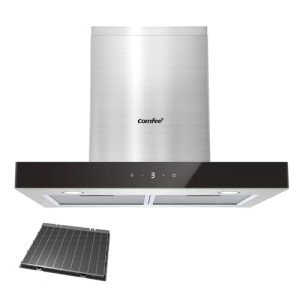
An island extractor fan is a kind of kitchen device installed on the ceiling above an island cooking location. Unlike conventional wall-mounted range hoods, which are set up versus a wall, island extractors hang straight above the cooking surface of a kitchen island. They are developed to get rid of smoke, steam, odors, and air-borne grease through ventilation systems, guaranteeing a fresher and cleaner kitchen environment.
Advantages of Using an Island Extractor Fan
Island extractor fans provide several benefits, making them a popular choice for many kitchen styles. Here is a list of the crucial advantages:
-
Enhanced Air Quality: By successfully getting rid of smoke and odors, these fans help maintain an enjoyable cooking environment.
-
Stylish Design: Island extractors been available in numerous designs and surfaces, adding a modern touch to any kitchen.
-
Improved Cooking Experience: These fans provide outstanding suction power, enabling a more pleasurable cooking experience by avoiding excess heat and steam.
-
Versatile Installation: Island extractors can be set up in numerous ceiling heights and setups, increasing the adaptability of kitchen style.
-
Sound Reduction: Many modern models are created to run quietly without compromising efficiency.
-
Energy Efficiency: Many contemporary island extractors are equipped with energy-efficient motors and LED lighting.
To highlight the benefits, consider the following table comparing standard wall-mounted hoods with island extractors.
| Feature | Conventional Wall-Mounted Hoods | Island Extractor Fans |
|---|---|---|
| Mounting | Installed on walls | Suspended from ceilings |
| Style Variety | Limited style choices | Large range of designs |
| Airflow Efficiency | Moderate to high | High air flow performance |
| Installation Flexibility | Fixed to a wall position | Adjustable to ceiling heights |
| Sound Level | Differs considerably | Normally quieter |
| Space Utilization | May block views | Open layout boosts space |
How to Choose the Right Island Extractor Fan
Choosing the perfect island extractor fan for your kitchen includes numerous factors to consider. Here’s a list of aspects to bear in mind when making your choice:
-
Size and Dimensions: The fan should cover the entire cooking area. A basic general rule is to pick a fan that is at least the exact same width as the cooktop for optimum performance.
-
Ventilation Type:
- Ducted: Expels air outside, perfect for those trying to find ultimate efficiency.
- Ductless: Recycles air back into the kitchen utilizing filters, best for locations where ducting is impractical.
-
Suction Power (CFM): Measured in cubic feet per minute (CFM), this shows how successfully the fan can eliminate air. Preferably, select a fan with at least 600 CFM for an island cooktop.
-
Sound Level: Look for designs with a low sone rating (a system of measurement for viewed loudness) for quieter operation, specifically throughout high-speed settings.
-
Filter Type and Maintenance:
- Aluminum Filters: Durable and easy to tidy.
- Charcoal Filters: Typically discovered in ductless designs; these requirement replacement routinely.
-
Style and Aesthetics: Match the extractor’s style with your kitchen design. Think about products like stainless steel, glass, or even custom wood surfaces.
-
Lighting: Integrated LED lights boost performance and exposure over the cooktop.
Test Table for Comparing Models
Below is a sample table that could be utilized to compare different island extractor models you might be thinking about:
| Model | Size (inches) | CFM | Noise Level (sones) | Ventilation Type | Filter Type | Cost (₤) |
|---|---|---|---|---|---|---|
| Model A | 30 | 600 | 3.0 | Ducted | Aluminum | 700 |
| Model B | 36 | 800 | 2.5 | Ducted | Charcoal | 900 |
| Design C | 42 | 1200 | 4.0 | Ductless | Aluminum | 1200 |
| Design D | 30 | 500 | 2.0 | Ducted | Combination | 650 |
Installation Considerations
Installing an island extractor fan may require expert help. Here are some aspects to consider:
- Electrical Wiring: Ensure there appertains electrical wiring in place to support the fan’s motor.
- Ductwork: If selecting a ducted option, plan for the routing of ductwork through the ceiling.
- Height Adjustment: The fan needs to be installed at an optimal height, typically 30-36 inches above the cooktop.
FAQ About Island Extractor Fans
1. How typically should I clean up the filters?
It is recommended to clean up the filters regularly, typically every 1-3 months, depending on usage. Charcoal filters need to be replaced according to the producer’s guidelines.
2. Are island extractor fans loud?
The noise level differs by design. Look for fans with a lower sone score for quieter operation.
3. Can I install an island extractor fan myself?
While some homeowners may pick to do it themselves, hiring a professional is frequently recommended for correct setup, specifically when handling electrical and ducting systems.
4. Do I need a ducted or ductless extractor fan?
Choose a ducted design for remarkable performance if possible. A ductless system might be ideal for apartments or areas where ducting isn’t possible.
5. How do I determine the ideal CFM for my kitchen?
A general guideline is to allow 100 CFM for every linear foot of the cooking surface area. For instance, for a 3-foot cooktop, look for a fan with at least 300 CFM.
Island extractor fans are not just a practical kitchen necessity however likewise a trendy addition to modern kitchen styles. By making sure the best model and proper installation, property owners can significantly enhance their cooking experience while boosting the visual appeals of their culinary spaces. With the considerations laid out in this post, selecting the best island extractor fan can be an easy and satisfying undertaking.
