
Repairing Upvc Windows
Add a review FollowOverview
-
Founded Date November 10, 2000
-
Sectors Customer Support & Operations
-
Posted Jobs 0
-
Viewed 7

Company Description
A Peek Into The Secrets Of Door Repairs
UPVC Door Repairs: A Comprehensive Guide for Homeowners
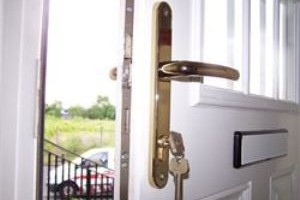
UPVC (Unplasticized Polyvinyl Chloride) doors have actually gotten tremendous appeal due to their durability, energy efficiency, and low maintenance requirements. Nevertheless, like any home function, they are not unsusceptible to use and tear. Property owners may deal with issues varying from small adjustments to significant repairs that need specific attention. This short article aims to provide an in-depth summary of typical UPVC door issues, how to address them, and when to think about professional aid.
Typical UPVC Door Problems
The very first action in repairing a UPVC door is recognizing the issue. Below are some common issues that accompany UPVC doors:
- Difficulty in Closing or Opening: Often triggered by misalignment or swelling due to moisture.
- Lock Problems: This can range from a jammed lock to a complete failure of the locking mechanism.
- Drafts and Inadequate Insulation: A bad seal around the door causes energy loss.
- Physical Damage: Dents, scratches, or fractures from physical impact or environmental factors.
- Used Weather Seals: This can cause drafts and wetness seeping into the home.
Table 1: Common Issues with UPVC Doors
| Problem | Signs | Prospective Causes |
|---|---|---|
| Problem in Closing/Open | Door feels stiff or will not close totally | Misalignment, wetness swelling |
| Lock Issues | Lock jammed or can not engage | Rusty elements, misalignment |
| Drafts | Feeling cold air around the door | Used seals, poor installation |
| Physical Damage | Noticeable dents or cracks | Effect, severe weather |
| Worn Weather Seals | Water or air leak | Age, lack of maintenance |
DIY Repair Techniques
Many UPVC door repairs can be taken on by homeowners with standard handyman skills. Here are some common DIY methods:
1. Changing The Door Alignment
Misalignment can occur due to the natural settling of the house or ecological aspects. To align the door:
-
Tools Needed: Screwdriver, level.
-
Steps:
- Check the hinges for loose screws.
- Tighten any loose screws you discover.
- Utilize a level to assess the door’s vertical positioning and change the hinges to remedy any inconsistencies.
2. Lubricating Locks and Hinges
A sticky lock or hinge can be fixed quickly through lubrication:
-
Tools Needed: Lubricant (like silicone spray), cloth.
-
Actions:
- Clean the lock and hinge with a fabric.
- Spray lube into the lock and on the hinge to minimize friction.
- Move the door back and forth to incorporate the lubricant.
3. Changing Weather Seals
Used seals contribute to energy ineffectiveness. Follow these steps to change them:
-
Tools Needed: Utility knife, weather condition seal tape.
-
Actions:
- Remove the old seal using an energy knife.
- Clean the area where the seal was put.
- Cut the new weather seal to fit and use it along the door frame, making sure a tight fit without spaces.
When to Call a Professional
While some problems can be resolved through DIY techniques, others need professional expertise. Think about calling a specialist for:
- Significant Damage: If the Broken door repair is extensively harmed or distorted.
- Complex Lock Mechanisms: If the locking system fails or has actually jammed entirely.
- Numerous Issues: If the door provides a number of problems at when, professional assessment may be necessary.
FAQs
1. How typically should I perform maintenance on my UPVC door?
It is advisable to inspect your UPVC door a minimum of two times a year for wear and tear, particularly before and after extreme weather condition conditions.
2. Can I paint my UPVC door?
Yes, you can paint UPVC doors utilizing a specifically created paint created for plastic surfaces.
3. What is the life-span of a UPVC door?
With proper care and maintenance, a UPVC door can last 20-30 years, which is considerably longer than conventional wood doors.
4. Are UPVC doors environmentally friendly?
UPVC doors can be recycled at the end of their life cycle, making them an environment-friendly choice compared to products that are not recyclable.
5. How can I improve the insulation of my UPVC door?
Replacing old weather seals, ensuring appropriate positioning, and adding a threshold strip can all boost the insulation of your UPVC door.
UPVC doors are a reputable and low-maintenance choice for property owners, but they are not immune to concerns developing from daily usage, environmental aspects, and age. Understanding typical problems and implementing standard repair techniques can extend the life of these doors and ensure they continue to function successfully. However, for more intricate issues, talking to an expert makes sure that repairs are carried out correctly, maintaining the door’s efficiency and security. By being proactive and mindful to the condition of your UPVC doors, homeowners can delight in the benefits of these resilient fixtures for several years to come.